
LEED-certified buildings explained opens up a fascinating world where architecture meets sustainability, creating spaces that are not only functional but also environmentally friendly. With a growing emphasis on eco-consciousness in construction, LEED certification has become a beacon for those seeking to make smarter, greener choices in the built environment.
LEED, or Leadership in Energy and Environmental Design, assesses buildings based on various criteria that ensure they meet high standards of sustainability. From energy efficiency to water conservation, understanding LEED certification can empower homeowners and investors alike to appreciate the long-term benefits of green buildings.
Understanding LEED-Certified Buildings
The Leadership in Energy and Environmental Design (LEED) certification has become a gold standard in sustainable architecture, representing a commitment to environmentally responsible building practices. This certification not only helps reduce the environmental impact of buildings but also promotes healthier living and working spaces. By adhering to strict guidelines, LEED-certified buildings contribute significantly to sustainability goals and help combat climate change.LEED certification is categorized into several levels, each reflecting a building’s adherence to specific sustainability criteria.
The criteria for achieving these levels assess various aspects, including energy efficiency, water usage, materials selection, and indoor environmental quality. The levels of certification are Certified, Silver, Gold, and Platinum, each requiring a different number of points based on performance in key categories.
Levels of LEED Certification and Their Criteria
Each level of LEED certification comes with distinct criteria that buildings must meet to achieve the corresponding point thresholds. Understanding these levels is essential for anyone involved in sustainable building projects.
- Certified: Requires a minimum of 40 points, indicating basic sustainability practices are in place.
- Silver: Requires between 50 and 59 points, showcasing a stronger commitment to sustainability with improved practices.
- Gold: Requires between 60 and 79 points, emphasizing significant advancements in energy efficiency and sustainable design.
- Platinum: Requires 80 points or more, reflecting the highest level of sustainability excellence in building design and performance.
Notable LEED-certified buildings exemplify the successful integration of these sustainability practices, showcasing innovative designs and features.
Examples of Notable LEED-Certified Buildings
Highlighted below are some prominent LEED-certified buildings that stand out for their sustainable architecture and commitment to the environment.
- The Edge (Amsterdam, Netherlands): This office building has achieved a LEED Platinum rating, featuring advanced energy management systems, photovoltaic panels, and extensive green roofs that promote biodiversity.
- One Bryant Park (New York City, USA): Another LEED Platinum building, it incorporates a greywater recycling system, energy-efficient windows, and a green roof that reduces urban heat.
- California Academy of Sciences (San Francisco, USA): This building achieved LEED Gold certification, with its living roof, energy-efficient lighting, and sustainable materials reflecting its commitment to ecological awareness.
Incorporating these remarkable features not only enhances the functionality of the buildings but also demonstrates a forward-thinking approach to sustainable architecture. With LEED certification, these buildings are not just structures but integral parts of a sustainable future, offering a model for others to follow.
The Impact of LEED on Real Estate Markets
LEED certification has significantly altered the landscape of real estate, both for residential and commercial properties. As sustainability becomes more prominent in the minds of buyers and investors, the implications of LEED certification extend beyond eco-friendliness to touch on financial aspects, market trends, and buyer behavior. This discussion explores how LEED influences property values, shifts in buyer preferences, and the essential role real estate agents play in marketing these properties.
Influence of LEED Certification on Property Values
The integration of LEED certification into real estate has proven to enhance property values. LEED-certified buildings often command higher prices and rental rates compared to non-certified counterparts. This price differential can be attributed to various factors, including lower operating costs, tax incentives, and a growing demand for environmentally friendly spaces. Research indicates that LEED-certified homes can sell for up to 10% more than similar non-certified homes.
Additionally, commercial properties benefit from reduced vacancy rates due to increased demand for sustainable office spaces.
Trends in Buyer Preferences for Green Buildings
Recent trends show a clear shift in buyer preferences towards green buildings, which has implications for real estate investing. Homebuyers and investors are increasingly prioritizing sustainability and energy efficiency in their property decisions. The following points illustrate the growing importance of these trends:
- Increased Awareness: Buyers are more informed about the environmental impacts of their choices, leading to a preference for sustainable options.
- Energy Efficiency: Properties with LEED certification typically feature energy-efficient systems, which are attractive to cost-conscious buyers.
- Health Benefits: Enhanced air quality and natural lighting in LEED-certified buildings contribute to improved well-being, making these properties more desirable.
- Long-term Savings: Many buyers recognize that LEED-certified homes can lead to lower utility bills and maintenance costs, solidifying their appeal.
Role of Real Estate Agents in Marketing LEED-Certified Properties
Real estate agents play a critical role in promoting and selling LEED-certified properties. Their understanding of the benefits and features of these buildings can directly influence buyer decisions. Agents are equipped to highlight the unique selling propositions of LEED properties, such as their sustainability credentials and potential cost savings. The following aspects illustrate this role:
- Education: Agents educate potential buyers about the certifications, ensuring they understand the value that LEED brings.
- Marketing Strategies: Utilizing targeted marketing strategies that emphasize energy efficiency and environmental benefits can attract interested buyers.
- Network Building: Real estate agents are crucial in connecting buyers with sustainable living options, thereby expanding the market reach of LEED-certified properties.
- Investment Insights: Agents can provide valuable insights into the financial benefits of investing in green buildings, appealing to eco-conscious investors.
“LEED certification not only enhances property value but also aligns with the growing buyer demand for sustainable living.”
Building Green
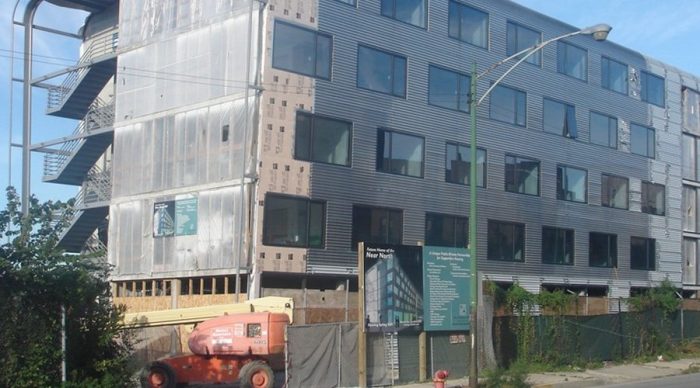
Designing a LEED-certified building is an intricate process that blends sustainability with architectural creativity. Achieving LEED certification requires careful planning and execution, aligning every stage of the construction process with the rigorous standards set by the U.S. Green Building Council. This journey from concept to completion not only promotes environmental stewardship but also enhances the marketability of properties.The process of achieving LEED certification typically involves several key steps, which ensure that the final building meets all the necessary criteria for sustainability.
From site selection to energy efficiency, each step plays a vital role in realizing a green building.
Steps for Designing a LEED-Certified Building
The journey to LEED certification is structured around a series of phases, each essential for ensuring compliance with LEED standards. Below are crucial steps in the design and construction process:
1. Pre-Design and Site Assessment
Begin by selecting a site that supports sustainable practices. Conduct environmental assessments to understand the ecosystem and resources available.
2. Setting Project Goals
Define clear sustainability goals that align with LEED certification criteria. This includes energy efficiency, water conservation, and materials selection.
3. Design Development
Collaborate with architects, engineers, and other specialists to incorporate green design principles. This phase includes optimizing building orientation, maximizing natural light, and minimizing ecological disruption.
4. Documentation of LEED Credits
Collect necessary documentation that demonstrates compliance with specific LEED credits. Each credit relates to different aspects of sustainability, such as energy use or indoor air quality.
5. Construction Phase
Implement sustainable construction practices, ensuring that waste is minimized and resources are used efficiently. This includes using recycled materials and environmentally friendly technologies.
6. Final Verification
After construction, conduct a comprehensive review to ensure all LEED prerequisites and credits are achieved. Submit the documentation to the Green Building Certification Institute for review.
Methods for Meeting LEED Standards in Commercial Construction
A variety of methods can be applied during the construction phase to meet LEED standards, reflecting a commitment to sustainability. These methods include:
Energy-Efficient Systems
Install high-efficiency HVAC systems and use renewable energy sources such as solar panels to reduce reliance on non-renewable resources.
Water Conservation Strategies
Implement low-flow fixtures and rainwater harvesting systems to minimize water usage.
Sustainable Materials
Source materials that are recycled, locally sourced, or have low environmental impact. This includes using certified wood and non-toxic paints.
Indoor Environmental Quality
Enhance indoor air quality by incorporating ventilation systems that filter and circulate air effectively while using low-emission materials.
Waste Management Plans
Develop a construction waste management plan that prioritizes recycling and diversion of waste from landfills.
Checklist for Real Estate Agents Guiding Clients on LEED-Certified Properties
For real estate agents assisting clients interested in LEED-certified homes or condominiums, a clear checklist can streamline the selection process. This checklist includes important features and considerations that clients may wish to evaluate:
Certification Level
Verify the level of LEED certification achieved (Certified, Silver, Gold, or Platinum).
Sustainable Site Features
Check for environmentally sensitive site practices, such as preservation of native vegetation and minimized land disturbance.
Energy Efficiency
Inquire about energy-efficient appliances, insulation, and renewable energy systems installed in the property.
Water Efficiency
Assess water-saving fixtures and irrigation systems designed to conserve resources.
Materials Selection
Look for the use of sustainable materials and finishes that contribute to overall sustainability.
Indoor Air Quality Measures
Confirm the presence of adequate ventilation systems and low-VOC materials, which enhance the living environment.
Maintenance and Operation
Discuss the ongoing maintenance requirements and operational practices that support sustainability.By utilizing this checklist, real estate agents can help clients make informed decisions about LEED-certified properties, ensuring their investment aligns with their sustainability values.
Closure
In conclusion, the journey through LEED-certified buildings explained illustrates the pivotal role that sustainable practices play in today’s real estate landscape. As more individuals and businesses seek to incorporate eco-friendly features into their properties, the demand for LEED-certified buildings continues to rise. This not only enhances property values but also contributes positively to our planet.
FAQ
What does LEED stand for?
LEED stands for Leadership in Energy and Environmental Design, a certification program that recognizes best-in-class building strategies and practices.
How long does it take to achieve LEED certification?
The timeline for achieving LEED certification can vary widely, but it typically takes several months to over a year depending on the project’s complexity and certification level.
Are LEED-certified buildings more expensive to build?
While initial costs for LEED-certified buildings may be higher, many owners find that energy savings and increased value over time offset these costs.
Can existing buildings become LEED-certified?
Yes, existing buildings can pursue LEED certification through a process that assesses improvements in sustainability and efficiency.
What are the benefits of living in a LEED-certified building?
Living in a LEED-certified building often results in lower utility bills, improved indoor air quality, and a reduced environmental footprint.


