
Modern vs traditional home staging styles opens the door to a fascinating exploration of how different staging approaches can significantly impact property appeal. As homeowners and realtors alike strive to present properties in the best light, understanding the nuances between these two styles can lead to faster sales and happier clients.
Modern home staging embodies sleek lines, minimalism, and a fresh, contemporary aesthetic that resonates with today’s buyers. In contrast, traditional home staging emphasizes warmth, familiarity, and classic design elements that evoke a sense of comfort. Each style has its own set of defining characteristics that can either draw in or deter potential buyers.
Comparing Modern and Traditional Home Staging Styles
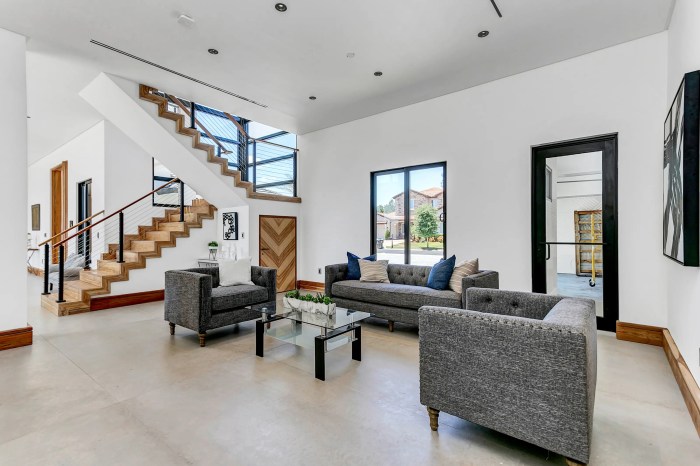
When it comes to home staging, the choice between modern and traditional styles can greatly influence buyer perception and potential sale outcomes. Each approach has its own set of defining characteristics that cater to different tastes and market demands, making them impactful in various contexts. Understanding these distinctions can assist homeowners and real estate agents in selecting the most effective strategy for showcasing a property.Modern home staging styles are characterized by their clean lines, minimalistic aesthetics, and emphasis on open spaces.
This approach focuses on creating a sense of airiness and fluidity, often utilizing a neutral color palette accented with bold, statement pieces. Key elements typically include:
- Furniture: Streamlined, contemporary furniture pieces that promote functionality without clutter.
- Decor: Minimalist décor featuring geometric shapes and abstract artwork to evoke a modern vibe.
- Lighting: Dramatic, stylish lighting fixtures that enhance the spaciousness of the home.
- Textures: A blend of materials such as glass, metal, and natural fibers to create visual interest without overwhelming the senses.
These characteristics not only appeal to a younger demographic but also make spaces feel more inviting and updated, which can be highly attractive to potential buyers.In contrast, the traditional home staging approach emphasizes warmth, comfort, and timeless appeal. This style often incorporates classic furnishings, rich colors, and layered textures to create a cozy atmosphere. Key elements of traditional staging include:
- Furniture: Classic wood pieces that showcase craftsmanship and durability, often arranged to create intimate conversation spaces.
- Decor: Traditional artwork and decorative items that reflect heritage and style, providing a sense of history.
- Textiles: Use of patterned fabrics and layered textiles like drapes and throw pillows to add warmth and depth.
- Color Scheme: Earthy tones and rich hues that evoke a sense of homeliness and comfort.
This approach is particularly effective in attracting buyers looking for a family-oriented environment or those who appreciate classic aesthetics.When comparing the effectiveness of modern and traditional home staging styles, it becomes evident that both have their merits depending on the target audience and property type. Modern staging tends to resonate well in urban settings or with younger buyers who favor sleek, contemporary designs.
On the other hand, traditional staging often appeals to families and individuals seeking comfort and a nostalgic feel.
The choice of staging style can significantly impact buyer perception and marketability.
Ultimately, the decision on which style to employ should be guided by the property’s characteristics and the demographics of potential buyers in the area, ensuring that the home is presented in the best light possible to attract interest and facilitate a successful sale.
The Role of Real Estate Agents in Home Staging
Real estate agents play a crucial role in the home staging process, leveraging their expertise to help sellers present their properties in the best light. By employing effective staging techniques, agents can attract more potential buyers, facilitating quicker sales and often at higher prices. Staging is not merely about aesthetics; it enhances the property’s appeal, making it more marketable in a competitive landscape.One of the primary ways real estate agents utilize home staging is by collaborating with professional stagers or utilizing their own staging strategies.
This collaboration allows agents to tailor the presentation of a home according to its demographic target, creating an environment that resonates with prospective buyers. Successful staging creates a narrative that buyers can envision themselves stepping into, which is essential for making a sale.
Examples of Successful Home Staging Strategies
Several strategies have proven to be effective in the realm of home staging, directly impacting the listing and sale of properties. When performed correctly, these methods can lead to quicker sales and higher offers. Here are some notable strategies:
- Decluttering and Depersonalizing: Agents often advise homeowners to remove personal items and excessive decor. This allows potential buyers to visualize their own belongings within the space, making it feel more inviting and relatable.
- Neutral Color Palettes: Utilizing neutral colors can help create a calm and soothing environment, appealing to a broader audience. This strategy helps ensure that the property does not alienate potential buyers with strong or unusual color choices.
- Highlighting Key Features: Effective staging focuses on showcasing the property’s unique features, such as fireplaces or large windows. By strategically placing furniture or decor, agents can draw attention to these assets and enhance the overall appeal.
- Creating Functional Spaces: Agents often suggest staging rooms to demonstrate their potential use, such as converting an empty room into a home office or reading nook. This helps buyers imagine how they would utilize the space, increasing its desirability.
The impact of these staging strategies is significant. According to the National Association of Realtors, staged homes sell 73% faster than non-staged homes, and many sellers report receiving offers that are 1-5% higher than their asking price. By implementing smart staging techniques, real estate agents not only enhance the visual appeal of a property but also improve its marketability, ultimately leading to more successful transactions.
“Staging isn’t just about making a home look pretty; it’s about making a strategic decision to invest in the presentation that can yield significant returns.”
Home Staging Techniques for Different Property Types
Staging a home is not a one-size-fits-all approach. Different property types require tailored strategies to highlight their best features and attract potential buyers. Understanding the unique characteristics and needs of residential homes, commercial properties, condominiums, and foreclosures can significantly influence the effectiveness of staging efforts.Residential homes and commercial properties have distinct requirements when it comes to staging. For residential properties, creating a warm and inviting atmosphere is essential to help prospective buyers envision themselves living in the space.
In contrast, commercial properties often focus on functionality and flexibility, showcasing how the space can serve various business needs.
Staging Techniques for Residential Homes
To create an inviting atmosphere in residential homes, consider the following techniques:
- Use neutral color palettes to appeal to a broad audience.
- Maximize natural light by utilizing sheer curtains and strategically placing mirrors.
- Define spaces with furniture arrangements that create a flow and emphasize the purpose of each room.
- Add personal touches like fresh flowers or tasteful artwork to create an inviting ambiance.
Staging Techniques for Commercial Properties
Commercial properties should highlight versatility and optimal use of space. Effective staging methods include:
- Showcase flexible layouts that can accommodate various business models.
- Incorporate furniture that reflects professionalism and functionality.
- Create designated areas for different business activities, such as meeting spaces or product displays.
- Utilize branding elements that align with the type of business being targeted to create an aspirational vision for potential tenants or buyers.
Staging Techniques for Condominiums
Condominiums often present unique challenges, particularly regarding space limitations. To maximize appeal and space in a condo, the following methods can be implemented:
- Employ multi-functional furniture, such as ottomans with storage or expandable dining tables.
- Opt for light colors to create an illusion of spaciousness.
- Use vertical space for storage, incorporating shelving or wall-mounted units to keep the floor area clear.
- Enhance outdoor spaces, such as balconies or patios, with tasteful furniture and greenery to extend the living area.
Staging Techniques for Foreclosures
When staging foreclosures, the primary goal is to enhance value and attract buyers. A strategic checklist for staging foreclosures includes:
- Conduct thorough cleaning and repairs to address any visible issues.
- Depersonalize the space by removing any personal items or clutter.
- Consider a fresh coat of paint to revitalize the appearance of the home.
- Highlight key selling points such as updated appliances or unique architectural features.
- Stage each room with inviting furniture and decor that emphasizes potential use.
“Effective staging can transform a property from a mere listing into an irresistible opportunity for buyers.”
Last Point
In conclusion, the debate between modern vs traditional home staging styles showcases the diverse strategies available to sellers looking to enhance their property’s marketability. By pinpointing the strengths and weaknesses of each, real estate agents and homeowners can make informed decisions that align with their target audiences, ultimately leading to successful sales.
FAQ Explained
What is modern home staging?
Modern home staging focuses on minimalism and contemporary design elements, using clean lines and neutral colors to create a fresh, inviting space.
What defines traditional home staging?
Traditional home staging relies on classic design principles, incorporating warm colors, cozy furnishings, and familiar decor to create an inviting atmosphere.
Which staging style attracts more buyers?
It depends on the target demographic; modern staging often appeals to younger buyers, while traditional staging may resonate more with families and older buyers.
Can I mix modern and traditional staging styles?
Yes, blending elements from both styles can create a unique look that appeals to a broader audience, as long as the design remains cohesive.
How do real estate agents choose a staging style?
Real estate agents typically assess the property’s characteristics and the preferences of potential buyers to decide on the most effective staging style.


