
Exploring the world of Virtual home tours for buyers opens up a new dimension in real estate, revolutionizing how properties are showcased and experienced. This innovative approach to home viewing merges technology with the traditional real estate process, providing a comprehensive and immersive experience for prospective buyers.
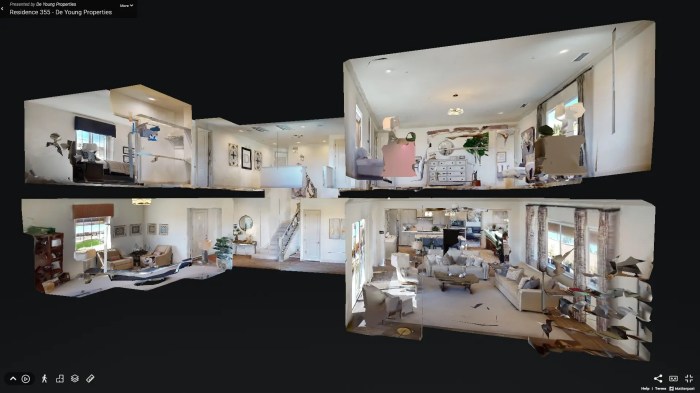
Virtual tours utilize advanced technologies like 3D modeling and virtual reality to create a vivid representation of homes, allowing buyers to navigate spaces as if they were physically present. This not only saves time for both buyers and real estate agents but also elevates the overall buying experience by enabling more informed decisions without the need for multiple in-person visits.
Virtual Home Tours Overview
Virtual home tours have transformed the way buyers explore properties, providing an immersive and convenient experience that transcends the limitations of traditional viewings. With the rise of digital technology, prospective buyers can now take guided or self-paced tours of homes from the comfort of their own space, making it easier to visualize living in a property without the need for physical presence.
This innovation has gained significant traction, especially in recent years, as more individuals embrace online solutions for home buying.The enhancement of the home buying experience through virtual tours is multifaceted. These tours allow buyers to explore every corner of a property at their own pace, pausing to inspect details that might be overlooked during a brief in-person visit. Virtual tours can often simulate a real-life walkthrough, complete with interactive elements that allow users to click through rooms, view high-resolution images, and even engage with features like floor plans and measurement tools.
This flexibility not only saves time but also empowers buyers to make informed decisions based on their preferences and priorities.
Technology Utilized in Virtual Home Tours
Several advanced technologies power virtual home tours, ensuring a seamless and engaging experience for users. These technologies include 3D modeling, virtual reality (VR), and augmented reality (AR), each contributing uniquely to the overall presentation of properties. D modeling involves creating detailed, lifelike representations of homes, allowing buyers to navigate through spaces as if they were physically present. This technology often utilizes software that captures the dimensions and layouts accurately, creating a virtual environment that reflects real-world characteristics.Virtual reality takes the immersive experience a step further.
Equipped with VR headsets, buyers can completely immerse themselves in a simulated environment, feeling as though they are walking through the property. This can be particularly beneficial for remote buyers who are unable to visit in person.Augmented reality enhances the experience by overlaying digital information onto the physical world. For example, buyers can use AR apps to visualize how their furniture would look in a space or to get additional information about home features simply by pointing their smartphone camera at specific areas.The significance of these technologies lies in their ability to bridge geographical barriers, offering buyers a comprehensive view of potential homes from virtually anywhere in the world.
As a result, virtual home tours are increasingly becoming a standard tool in the real estate industry, enhancing both the efficiency of the buying process and the satisfaction of buyers.
Benefits for Real Estate Agents and Realtors
The integration of virtual home tours into real estate marketing has revolutionized how agents and realtors connect with potential buyers. These immersive experiences not only showcase properties in an innovative manner but also streamline the overall sales process, enhancing both agent productivity and client satisfaction. Understanding the benefits of virtual tours can empower agents to elevate their marketing strategies and improve client relationships.
Improvement of Marketing Strategies
Virtual tours significantly enhance marketing strategies by providing potential buyers with a comprehensive view of properties without the need for physical visits. This digital tool allows agents to present listings in a more engaging and interactive way.
- High-Quality Visuals: Virtual tours offer high-definition images and 360-degree views that highlight the best features of a property, making listings more appealing.
- Wider Reach: By incorporating virtual tours into social media and online listings, agents can attract a broader audience, including out-of-town buyers who may not be able to visit in person.
- 24/7 Availability: Virtual tours are available around the clock, allowing prospective buyers to view properties at their convenience, which can lead to increased interest and quicker sales.
Time and Resource Savings for Realtors
Implementing virtual tours can lead to substantial time and resource savings for realtors. This innovative approach streamlines the property showing process and reduces the workload associated with traditional viewings.
- Eliminating Unqualified Showings: With virtual tours, agents can filter out unqualified leads before scheduling in-person visits, ensuring that time is spent with serious buyers.
- Efficient Scheduling: Virtual tours minimize the need for back-to-back showings, allowing agents to better manage their schedules and focus on other essential tasks.
- Cost-Effective Marketing: Investing in virtual tour technology can reduce marketing costs over time by decreasing the need for physical brochures, signage, and in-person showings.
Impact on Client Engagement and Satisfaction
Virtual home tours play a pivotal role in enhancing client engagement and satisfaction levels. By offering an interactive experience, agents can create a more memorable and informative buying process.
- Enhanced Interaction: Prospective buyers can explore properties at their own pace, which often leads to more thoughtful decision-making and a stronger emotional connection to the home.
- Informed Clients: Virtual tours allow buyers to see every detail of a home, making them feel more informed and confident in their buying decisions.
- Feedback Opportunities: Agents can gather insights from clients who view virtual tours, helping them tailor future listings to meet buyer preferences and expectations.
“Virtual tours transform the property viewing experience, making it easier for agents to connect with motivated buyers while maximizing their time and resources.”
Integration with Building and Buying Real Estate
Virtual home tours are revolutionizing the way buyers engage with the real estate market, particularly in the realm of home building and purchasing. As technology continues to blend seamlessly with traditional buying practices, virtual tours provide a comprehensive and immersive experience that enhances the decision-making process for potential homeowners.
Assistance in the Home Building Process
The integration of virtual home tours into the home building process offers significant advantages for both builders and buyers. These tours allow prospective homeowners to visualize their future space before construction begins, ensuring they make informed decisions regarding design and layout. Key benefits include:
- Customization Visualization: Virtual tours enable buyers to see various customization options in real-time, such as different materials, colors, and layouts. This interactive experience helps buyers envision their personal touch in the home, leading to more satisfying outcomes.
- Reduced Miscommunication: By experiencing the layout and design virtually, buyers can clearly communicate their preferences and requirements to builders. This minimizes the likelihood of misunderstandings that can arise from traditional blueprints or verbal descriptions.
- Time Efficiency: Virtual tours streamline the decision-making process, allowing buyers to explore multiple models and designs from the comfort of their own homes without the need for multiple site visits.
Role of Virtual Tours in the Decision-Making Process for Buyers
Virtual home tours play a crucial role in the buyer’s journey, providing an engaging platform to assess properties effectively. They enhance the decision-making process through:
- Enhanced Engagement: The immersive nature of virtual tours captures the attention of buyers, allowing them to explore properties at their own pace and revisit their favorite features as needed.
- Accessibility: Buyers can access virtual tours anytime and from anywhere, making it easier to fit home searching into their busy schedules. This flexibility is particularly beneficial for out-of-town buyers who cannot visit properties in person.
- Comparative Analysis: Virtual tours enable buyers to easily compare different properties side by side. This aids in assessing the value proposition of each home, leading to more confident purchasing decisions.
Comparison of Traditional Home Viewing Methods with Virtual Home Tours
While traditional home viewing methods have served buyers for decades, the emergence of virtual home tours has introduced a new level of convenience and efficiency. The primary differences include:
- Interactive Experience: Unlike static visits, virtual tours provide a dynamic exploration of properties. Buyers can navigate rooms and spaces freely, which fosters a deeper understanding of the layout.
- Time and Cost Savings: Traditional visits often require travel and scheduling, while virtual tours eliminate these logistical hurdles, saving both time and money for buyers and agents alike.
- Real-Time Updates: Virtual tours can be easily updated to reflect changes in a property, ensuring buyers are viewing the most current information without the need for a physical revisit.
“Virtual home tours not only transform how buyers experience properties but also enhance communication and efficiency throughout the entire real estate process.”
Commercial Properties and Virtual Tours
The integration of virtual tours in commercial real estate has transformed the way properties are marketed and sold. These immersive experiences provide potential investors with a comprehensive view of a property without the need for physical visits. As commercial real estate continues to evolve, the adoption of technology like virtual tours is becoming increasingly important for agents and property owners alike.Utilizing virtual tours in commercial real estate not only showcases the property but also facilitates a more engaging interaction for potential buyers.
These tours allow investors to explore various layouts, assess the condition of facilities, and visualize the space in a way that traditional marketing methods cannot achieve. This is particularly vital in commercial markets, where buyers often consider aspects such as flow, functionality, and the potential for modifications.
Attracting Potential Investors
The use of virtual tours can significantly enhance the attractiveness of commercial properties for prospective investors. By providing an interactive experience, virtual tours help convey the unique features and potential of a space, making it easier for buyers to envision their business operations within the property. An effective virtual tour can showcase aspects such as:
- Layout and space optimization: Investors can see how the space can be configured for different business needs, whether it’s retail, office, or industrial.
- Surrounding amenities: Highlighting nearby services, transportation options, and community features boosts the appeal of the location.
- Flexibility for modifications: Virtual tours can illustrate potential renovations or expansions that could be made to suit specific business requirements.
Additionally, virtual tours can be shared easily across various platforms, broadening exposure and reaching a wider audience. This allows commercial agents to engage more potential investors, driving interest and potentially leading to quicker transactions.
Challenges Faced by Commercial Agents
Despite the numerous advantages, commercial agents may encounter several challenges when implementing virtual tours. Understanding these hurdles is crucial for maximizing the effectiveness of this technology.Some common challenges include:
- High upfront costs: Creating high-quality virtual tours often requires investment in specialized equipment and software, which can be a barrier for smaller agencies.
- Technical know-how: Some agents may lack the technical skills required to produce and manage virtual content, necessitating training or hiring specialists.
- Property type limitations: Certain commercial properties might not lend themselves well to virtual tours, either due to complex layouts or specific environmental factors that are difficult to capture digitally.
“Navigating the challenges of virtual tours can lead to significant benefits in marketability and investor engagement.”
In conclusion, while the challenges are present, the advantages of using virtual tours in commercial real estate far outweigh them. As agents adapt to this technology, they can enhance their property listings and connect with potential investors in a more meaningful way.
Real Estate Investing Opportunities
Virtual tours are revolutionizing the way real estate investors approach property evaluation. By leveraging cutting-edge technology, investors can virtually explore multiple properties from the comfort of their homes, enabling them to make informed decisions without the need for on-site visits. This innovative approach not only saves time but also broadens the scope of potential investments.Virtual tours assist investors in evaluating properties by providing an immersive experience that allows for a detailed examination of a property’s layout and condition.
Investors can assess critical factors such as space utilization, design, and potential renovations that might be needed. Moreover, these tours can be revisited multiple times, ensuring that investors can thoroughly analyze properties before making commitments.
Strategies for Utilizing Virtual Tours in Investment Portfolios
Incorporating virtual tours into real estate investment strategies can enhance decision-making and expand opportunities. Here are several effective approaches:
- Conduct Initial Assessments: Use virtual tours to shortlist properties that meet your investment criteria, allowing for a preliminary evaluation before any physical visits.
- Evaluate Multiple Markets: Virtually explore properties in different geographical areas without the costs and time associated with traveling, thus broadening your investment horizons.
- Collaborate with Investors: Share virtual tours with partners or stakeholders to gather insights and opinions, facilitating collaboration on potential investments.
- Monitor Market Trends: Regularly view virtual tours of listings in your areas of interest to keep abreast of market fluctuations and identify emerging opportunities.
- Enhance Property Management: For landlords, virtual tours can assist in showcasing properties to potential tenants, facilitating quicker leasing processes.
Advantages of Remote Property Assessments Through Virtual Tours
Remote property assessments via virtual tours offer several key advantages that align with the needs of modern real estate investors. These benefits include:
- Cost Efficiency: Virtual tours eliminate travel expenses associated with visiting multiple properties, allowing investors to allocate resources more efficiently.
- Time Savings: Investors can view numerous properties in a fraction of the time it would take to visit them physically, enabling quicker decision-making.
- Informed Decisions: Detailed visual inspections through virtual tours can reveal issues like wear and tear, which might not be apparent in photographs, leading to more informed investment choices.
- Greater Accessibility: Investors can access properties that may be geographically distant or in high-demand markets, providing greater flexibility in investment opportunities.
- Streamlined Negotiations: With a comprehensive understanding of a property’s condition and features from the virtual tour, investors can negotiate more confidently during the purchasing process.
Home Staging and Virtual Tours
Effectively staging a home is a crucial step in the virtual tour process, as it enhances the overall visual appeal and helps buyers envision themselves in the space. When done correctly, home staging can dramatically influence a buyer’s perception, leading to quicker sales and potentially higher offers. This section explores essential techniques for staging homes for virtual tours, the importance of visual appeal, and successful examples that illustrate the impact of staging.
Techniques for Staging Homes for Virtual Tours
Staging a home for a virtual tour involves strategic planning and execution to create an inviting atmosphere. Here are several techniques that can be employed to maximize the impact:
- Declutter and Clean: Remove personal items and excess furniture to create an open and airy feel. A clean space allows potential buyers to focus on the home’s features rather than distractions.
- Use Neutral Colors: Paint walls in soft, neutral shades to appeal to a broader audience. Neutral colors help create a calm environment and enable buyers to easily envision their own decor.
- Highlight Key Features: Arrange furniture to draw attention to architectural elements such as fireplaces or large windows. Highlighting these features can help make a lasting impression during the tour.
- Add Warmth with Textiles: Use cushions, throws, and rugs to add texture and warmth. Soft textiles can make spaces feel more inviting and comfortable.
- Lighting Matters: Maximize natural light by opening curtains and using strategically placed lamps. Proper lighting can enhance the ambiance and showcase the property’s best aspects.
Importance of Visual Appeal in Virtual Home Tours
Visual appeal plays a vital role in capturing the interest of potential buyers during virtual tours. A well-staged home increases the likelihood of a favorable impression, which can significantly affect selling outcomes. Here’s why visual appeal is essential:
- First Impressions Count: The initial visual impact of a home can influence a buyer’s decision-making process almost instantly. Homes that are visually captivating tend to hold attention longer.
- Emotional Connection: Beautifully staged homes evoke emotions and help buyers imagine a lifestyle within those spaces, which is particularly effective in virtual settings where personal connection is crucial.
- Marketing Advantage: High-quality visuals from well-staged homes can be utilized across various marketing platforms, enhancing online listings and attracting more views.
Examples of Successful Home Staging
Numerous case studies highlight the success of effective home staging in enhancing virtual tours. One notable example is a three-bedroom house in a suburban neighborhood, which was staged with a cohesive color scheme and carefully selected furniture. The results were remarkable:
- The home received multiple offers and sold within days, compared to the average market time of several weeks for similar properties.
- In the virtual tour, the staged home showcased inviting living spaces that resonated well with buyers, leading to a higher sale price than initially listed.
Another example involved a downtown condo that utilized minimalistic staging techniques. By removing clutter and focusing on the condo’s panoramic views, the staging attracted numerous inquiries, resulting in a swift sale at a competitive price.
“Staging not only transforms a home; it creates the aspirational lifestyle that buyers crave.”
Green Real Estate and Technology
The combination of green real estate and technology is reshaping the way homes are marketed and purchased. Virtual tours play a significant role in showcasing environmentally friendly properties, allowing potential buyers to appreciate the sustainable features and energy-efficient designs without the need for physical visits.Highlighting green features through virtual tours provides substantial benefits for both buyers and sellers. Virtual tours grant prospective homeowners the opportunity to see practical details like solar panels, energy-efficient appliances, and sustainable materials in action.
This immersive experience helps buyers visualize the energy savings and environmental impact of living in such a home. Additionally, virtual tours can enhance marketability by appealing to the growing demographic of eco-conscious buyers.
Showcasing Environmentally Friendly Homes
The ability to showcase environmentally friendly homes through virtual tours ensures that potential buyers fully grasp the benefits of sustainable living. Effective presentations can include:
- Sustainability Features: Virtual tours can highlight features such as rainwater harvesting systems, energy-efficient heating and cooling systems, and high-performance insulation, allowing buyers to see firsthand how these elements contribute to lower utility bills.
- Interactive Demonstrations: By incorporating interactive elements, such as the ability to click on features for additional information, buyers can learn how specific green technologies work and their long-term benefits.
- Before-and-After Comparisons: Including visual comparisons of energy consumption or carbon footprint before and after implementing green features can emphasize the positive impact of sustainable investments.
Promoting Sustainable Real Estate Practices
Technology plays a crucial role in promoting sustainable practices within the real estate sector. Key aspects of this integration include:
- Data Analytics: Real estate professionals can leverage data analytics to analyze market trends related to green properties, helping to identify areas with the highest demand for sustainable living.
- Smart Home Technologies: The inclusion of smart home devices, like programmable thermostats and energy monitoring systems, can be showcased in virtual tours, highlighting their convenience and energy-saving capabilities.
- Online Marketing Strategies: Utilizing social media and online platforms to promote virtual tours of eco-friendly homes increases exposure to a wider audience, particularly younger generations who prioritize sustainability.
Virtual tours provide a dynamic way to connect potential buyers with the benefits of sustainable living, making green homes not just an option, but a desirable lifestyle choice.
Real Estate Condominiums and Virtual Experiences
Virtual home tours have transcended traditional real estate practices, especially in the condominium market where unique dynamics come into play. The ability to explore condominiums through virtual experiences offers substantial benefits to buyers, enabling them to make more informed decisions from the comfort of their own homes. Virtual tours facilitate a deeper understanding of both the living spaces and the surrounding community, ultimately enhancing the buying experience.
Advantages of Virtual Tours for Condominium Buyers
Virtual tours present distinct advantages for buyers interested in condominiums. One significant benefit is the ability to explore multiple units without the time and logistical challenges of in-person visits. Buyers can assess layout, design, and space utilization effectively through immersive 3D experiences. Moreover, virtual tours allow for easy comparison among different properties. Buyers can revisit their favorite units, facilitating better decision-making.
This technology provides an opportunity to visualize the potential of a condo, including customization options or renovations, without the need for physical alterations.
Showcasing Shared Amenities and Community Features
Highlighting shared amenities and community features is crucial in attracting potential condo buyers. Virtual tours can effectively showcase these elements by integrating panoramic views or interactive elements that allow buyers to experience the community atmosphere.Key methods include:
- 360-Degree Photography: Capture vivid imagery of amenities such as swimming pools, fitness centers, and lounges, allowing potential buyers to navigate through these spaces virtually.
- Video Walkthroughs: Create engaging videos that guide viewers through communal areas, emphasizing the lifestyle benefits of living in the condominium.
- Community Layout Maps: Provide clickable maps featuring the proximity of amenities like parks, restaurants, and public transport, enhancing the overall appeal of the location.
Importance of Differentiating Condo Listings with Virtual Tours
The competitive nature of the real estate market necessitates that condominium listings stand out. Virtual tours serve as a powerful tool for differentiation, allowing agents to present listings in a more engaging and informative manner than traditional photographs alone. Highlights of this approach include:
- Enhanced Visual Appeal: High-quality virtual tours captivate potential buyers, leading to increased inquiries and interest.
- Emotional Connection: Immersive experiences can create a sense of belonging and connection to the property, making it easier for buyers to envision themselves living there.
- Time Efficiency: By allowing buyers to experience multiple listings from home, virtual tours streamline the decision-making process, saving time for both buyers and agents.
Virtual tours empower buyers to make confident decisions, while agents leverage them as a key marketing tool to enhance visibility in a competitive market.
Addressing Real Estate Foreclosures
Virtual tours have emerged as a valuable tool for buyers interested in foreclosure properties, offering an innovative way to navigate the complexities of these transactions. With foreclosures being sold as-is, understanding the condition of a property before making an offer is crucial. Virtual tours provide a comprehensive view of these homes, allowing potential buyers to assess whether a property meets their needs without the pressure of an in-person visit.Virtual tours serve a dual purpose: they not only showcase the physical attributes of a foreclosed home but also highlight any existing damage or required repairs.
This transparency is essential for buyers, as foreclosures often come with hidden issues that might not be immediately apparent during a standard showing. By allowing buyers to explore the homes from the comfort of their own space, virtual tours can foster informed decision-making and potentially save time and resources in the purchasing process.
Utilizing Virtual Tours in Foreclosure Processes
When navigating the complex landscape of foreclosures, virtual tours can empower buyers with vital insights. Here are some effective strategies for leveraging virtual tours during the foreclosure process:
- Comprehensive Property Assessment: Virtual tours allow buyers to inspect various aspects of the property, such as layout, condition, and amenities, which is crucial for informed decision-making.
- Documenting Property Condition: Buyers can save snapshots of the virtual tour to highlight specific areas that may require attention, which can be useful when negotiating repair costs or determining bids.
- Accessibility to Multiple Listings: Virtual tours enable buyers to explore several foreclosure listings quickly, making it easier to compare properties without the need for multiple site visits.
- Time Efficiency: By viewing properties virtually, buyers can prioritize which homes to visit in person, streamlining the overall process and reducing time spent on unsuitable properties.
- Engaging with Professionals: Virtual tours often include options for buyers to connect with real estate agents or foreclosure specialists, facilitating a smoother transaction process and access to expert advice.
“Virtual tours provide transparency in the condition of foreclosed properties, enabling buyers to make informed offers.”
Enhancing Commercial Construction Marketing
Virtual tours have transformed the way commercial construction projects are marketed, offering an innovative approach to showcase developments before they are completed. As commercial spaces become more competitive, utilizing virtual tours can provide a significant advantage by enhancing visibility and engagement with potential clients and investors. These immersive experiences not only attract attention but also facilitate a deeper understanding of the project, making them an essential tool in modern marketing strategies.Virtual tours can significantly benefit commercial construction projects in various ways.
They help potential buyers or investors visualize the final product, leading to increased interest and investment. Furthermore, virtual tours can be continuously updated to reflect the project’s progress, which helps maintain excitement and transparency among stakeholders. By integrating virtual tours into marketing strategies, developers can stand out in a saturated market and appeal to tech-savvy consumers who expect interactive and innovative presentations.
Integration of Virtual Tours into Marketing Strategy
Incorporating virtual tours into the marketing strategy of new developments involves several methods that can enhance visibility and attract potential clients. It is important to strategically plan the integration to maximize impact and reach.
- Website Integration: Embedding virtual tours directly on the project’s website allows visitors to experience the development firsthand. This can lead to longer site visits and increased inquiries.
- Social Media Promotion: Sharing virtual tours on platforms such as Facebook, Instagram, and LinkedIn can broaden the audience reach, attracting diverse demographics. Engaging posts that highlight unique features can generate buzz and interest.
- Email Marketing Campaigns: Sending out newsletters featuring virtual tours to a targeted mailing list can effectively engage past clients and prospects, conveying progress and updates in an engaging format.
- Virtual Reality Displays: Setting up VR displays at trade shows or open houses allows potential buyers to experience the space in a fully immersive environment, making a lasting impression.
Demonstrating Progress through Virtual Updates
Regular virtual updates play a vital role in keeping stakeholders informed about the progress of commercial construction projects. These updates not only build trust but also maintain interest throughout the construction phase. By showcasing real-time advancements, developers can enhance transparency and accountability. Important milestones, such as structural completion or interior setups, can be documented and shared through virtual tours, offering stakeholders a continual sense of involvement.
The use of drone footage can also provide aerial views of the construction site, illustrating the scale and progress effectively.
“Regular updates through virtual tours keep stakeholders engaged, ensuring a steady flow of interest and investment in the project.”
In conclusion, leveraging virtual tours in commercial construction marketing not only enhances visibility but also fosters a deeper connection with potential investors and clients. The ability to present an evolving project in real-time creates a compelling narrative that can lead to increased sales and successful project completions.
Closure
As we wrap up our discussion on Virtual home tours for buyers, it’s clear that this technology is not just a trend but a fundamental shift in how real estate transactions are conducted. By enhancing the buying experience and providing valuable insights into properties, virtual tours are poised to become an essential tool for buyers, agents, and investors alike.
FAQ Insights
What are virtual home tours?
Virtual home tours are online, interactive representations of properties that allow potential buyers to explore them from the comfort of their own homes.
How do virtual tours benefit buyers?
They provide a convenient way to view homes, save time on in-person visits, and help buyers make informed decisions by offering detailed insights into the property’s layout and features.
What technology is used in virtual home tours?
Technologies such as 3D modeling, virtual reality (VR), and video walkthroughs are commonly used to create immersive virtual home tours.
Can virtual tours help in the home buying process?
Yes, they streamline the buying process by allowing buyers to narrow down their choices before scheduling physical showings, thus making the experience more efficient.
Are virtual tours effective for commercial properties?
Absolutely! Virtual tours are becoming increasingly important in commercial real estate, attracting potential investors and showcasing properties effectively.


