
How to buy your first home is a journey filled with excitement and anticipation. This process marks a significant milestone in one’s life, transforming dreams into reality. Navigating through the various stages, from understanding the home buying process to securing financing, can be both thrilling and daunting, especially for first-time buyers. This overview will help demystify the complexities involved, offering insights and practical advice to ensure a smooth transition into homeownership.
Purchasing your first home involves several critical steps including getting pre-approved for a mortgage, selecting the right real estate agent, and understanding the types of properties available. With the right knowledge and preparation, you can make informed decisions that will set you on the path to owning your ideal home.
Understanding the Home Buying Process
Purchasing your first home can be a thrilling yet daunting experience, filled with a myriad of steps and decisions to navigate. It’s essential to approach the process with a well-informed perspective to make confident choices. Understanding the home buying journey will not only prepare you for what lies ahead but also empower you to make informed decisions.The home buying process involves several key steps that transform the dream of homeownership into a reality.
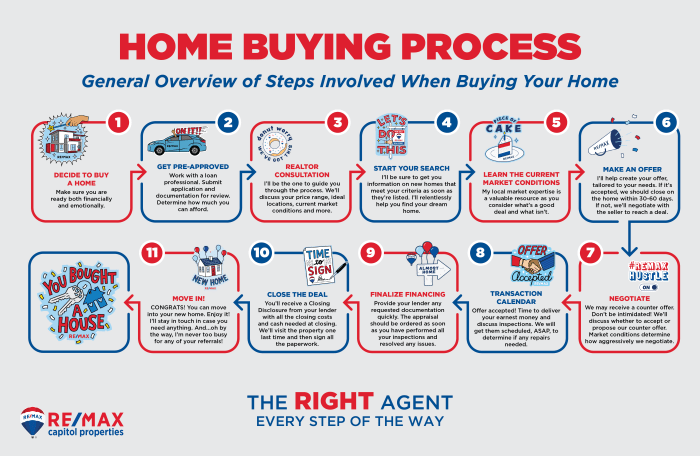
Starting from determining your budget to closing the deal, each phase plays a crucial role in ensuring a smooth transition into your new home. Here’s a breakdown of the primary steps involved:
Steps in Purchasing a First Home
1. Assess Your Financial Situation
Before diving into house hunting, evaluate your finances. Calculate how much you can afford, including additional costs like closing fees and moving expenses.
2. Get Pre-Approved for a Mortgage
This is a crucial step where a lender assesses your financial background and gives you a pre-approval letter, indicating how much you can borrow.
3. Find a Real Estate Agent
A knowledgeable real estate agent can guide you through the process, helping with paperwork, negotiations, and property showings.
4. Start House Hunting
With a budget and agent in tow, begin searching for homes that meet your criteria. Attend open houses and schedule private showings to get a feel for your options.
5. Make an Offer
Once you find the perfect home, your agent will help you craft a competitive offer. This will include the price you’re willing to pay and any contingencies.
6. Negotiate the Terms
Be prepared for counteroffers. Your agent will negotiate on your behalf to reach a mutually agreeable price and terms.
7. Complete Inspections and Appraisals
After your offer is accepted, conduct necessary inspections to uncover any issues that need addressing. An appraisal will confirm the home’s value for the lender.
8. Finalize Financing
Work with your lender to finalize your mortgage details and secure the loan.
9. Close the Deal
On closing day, sign all paperwork, pay closing costs, and receive the keys to your new home!
Importance of Pre-Approval for a Mortgage
Getting pre-approved for a mortgage is a pivotal step in the home buying process. This process involves providing a lender with your financial information, allowing them to assess how much they are willing to lend you. A pre-approval letter is not just a formality; it carries significant weight when making an offer on a home. It demonstrates to sellers that you are a serious buyer, which can give you an edge in competitive markets.The pre-approval also helps you understand the loan amounts you can manage, setting a realistic budget for your house hunt.
By knowing your limits, you avoid wasting time on properties that are out of reach or financially unwise.
Role of Real Estate Agents
Real estate agents serve as invaluable allies in your journey to homeownership. Their primary role is to facilitate the buying process, leveraging their expertise and local market knowledge to your advantage. They assist with various tasks, including property searches, negotiations, and the intricate paperwork involved in real estate transactions. Here’s how to choose the right agent:
Experience and Reputation
Look for agents with a strong track record in your desired area. Reading reviews and seeking recommendations can help gauge their reliability.
Specialization
Some agents specialize in first-time homebuyers. Finding one who understands your unique needs can streamline the process.
Communication Style
Choose an agent who communicates clearly and regularly. You want someone who keeps you informed and is responsive to your questions.In summary, understanding each step of the home buying process, the significance of mortgage pre-approval, and the pivotal role of real estate agents will empower you as you embark on this exciting journey toward your first home.
Financing Your First Home
Purchasing your first home is a significant milestone, and understanding how to finance it is a crucial step in the process. With various mortgage options available, budgeting for your purchase, and knowing about helpful government programs, you can make informed decisions that will set you up for success.There are several types of mortgages available for first-time homebuyers, each with distinct features that can cater to different financial situations.
Choosing the right mortgage can greatly influence your monthly payments and overall financial health. Below are some common types of mortgages along with brief descriptions:
Types of Mortgages
Understanding the different types of mortgages can help you select the right one for your needs. Here’s a quick overview:
- Fixed-Rate Mortgages: This type of mortgage has a constant interest rate and monthly payments that never change, making it a stable option for many buyers.
- Adjustable-Rate Mortgages (ARMs): ARMs offer lower initial rates that can fluctuate after a set period, potentially leading to lower payments initially but higher costs later.
- FHA Loans: Backed by the Federal Housing Administration, these loans are designed for low-to-moderate-income borrowers and require lower down payments.
- VA Loans: Available to veterans and active-duty military, VA loans often require no down payment and have favorable terms.
- USDA Loans: These loans are for rural homebuyers and offer zero down payment options, making them accessible for those in eligible areas.
Budgeting is an essential part of preparing to purchase your first home. It’s vital to understand the costs involved, including down payments and closing costs, to ensure you are financially ready.
Budgeting for a Home Purchase
Creating a budget allows you to plan for the various costs associated with homeownership. Here’s what you need to consider:
- Down Payment: Typically, down payments range from 3% to 20% of the home’s purchase price. A higher down payment can reduce your monthly mortgage payment and eliminate private mortgage insurance (PMI).
- Closing Costs: These costs, which can range from 2% to 5% of the home price, include fees for appraisals, title insurance, and attorney services. It’s essential to budget for these expenses as they can significantly impact your upfront costs.
- Ongoing Costs: Beyond the mortgage, consider property taxes, homeowners insurance, maintenance, and utilities. These can add up and should be factored into your long-term budget.
Many first-time homebuyers are unaware of the various government programs designed to assist them in their journey to homeownership. These programs can provide financial relief and make home buying more accessible.
Government Programs for First-Time Homebuyers
Several initiatives exist to support first-time buyers, each offering unique benefits.
- First-Time Homebuyer Tax Credit: Some states offer tax credits to first-time homebuyers, which can significantly reduce the financial burden of purchasing a home.
- Down Payment Assistance Programs: Various local and state programs provide grants or low-interest loans to help cover down payments and closing costs.
- Good Neighbor Next Door: This program offers significant discounts to teachers, law enforcement officers, firefighters, and emergency medical technicians purchasing homes in revitalization areas.
It’s important to research and understand these options, as they can greatly ease the financial strain of buying your first home. Always consult with a qualified mortgage professional or financial advisor to explore what works best for your individual situation.
Exploring Property Types and Investment Opportunities
Navigating the real estate market can be exciting, especially when it comes to choosing the type of property that aligns with your investment goals and lifestyle. Different property types come with unique features, advantages, and considerations, making it crucial to understand what each option entails. This section will help you explore the distinctions between single-family homes and condominiums, recognize the benefits of investing in real estate, and understand the essentials of purchasing foreclosure and green properties.
Differences Between Buying Single-Family Homes and Condominiums
When considering property types, it’s essential to understand the differences between single-family homes and condominiums. Each option offers distinct lifestyles and responsibilities that can influence your decision.Single-family homes typically refer to standalone houses that are not attached to any other dwelling. They provide privacy, outdoor space, and often come with a yard. Homeowners in this category bear full responsibility for maintenance, including landscaping and repairs, which can be both a benefit and a burden.On the other hand, condominiums are individual units within a larger building or complex.
Owners share common areas, such as pools, gyms, and gardens, which tend to require less personal maintenance. However, this means that residents often pay association fees that contribute to the upkeep of these shared facilities.
Advantages of Investing in Real Estate for Beginners
Investing in real estate can be a rewarding way for beginners to build wealth. Here are several advantages that make real estate an appealing investment opportunity:
- Potential for Appreciation: Real estate often appreciates over time, which can lead to significant profits upon sale.
- Cash Flow: Rental properties can generate a steady stream of income, providing financial stability and opportunities for reinvestment.
- Tax Benefits: Investors can take advantage of various tax deductions, including mortgage interest, property depreciation, and maintenance costs.
- Leverage: Real estate allows investors to use borrowed funds to purchase properties, enabling them to control more valuable assets with a smaller initial investment.
- Hedge Against Inflation: Property values and rental income often rise with inflation, providing a buffer that other investments may not offer.
These advantages make real estate a compelling option for those looking to enter the investment landscape.
Essentials of Purchasing Foreclosures and Green Properties
Purchasing foreclosures and green properties offers unique opportunities for investors, but it requires careful consideration and knowledge of the process. To purchase a foreclosure, it’s important to understand the following essentials:
- Research the Market: Before buying, it’s crucial to research the property’s location, market value, and potential renovation costs to ensure a sound investment.
- Inspect the Property: Always conduct a thorough inspection to identify any underlying issues or necessary repairs that could affect your investment.
- Be Prepared for Competition: Foreclosures often attract multiple bidders, so having financing lined up can help secure the property.
- Understand the Risks: Foreclosures can come with challenges, including liens or property issues, so due diligence is essential.
Green properties present another exciting avenue for investment, focusing on sustainable and eco-friendly features. Buying a green property involves considering the following:
- Energy Efficiency: Look for properties that utilize energy-saving appliances, insulation, and solar panels, which can reduce long-term operating costs.
- Location: Sustainable developments often prioritize walkability, access to public transport, and green spaces, contributing to overall community well-being.
- Potential Incentives: Many local governments offer tax incentives or rebates for purchasing green properties, making them an attractive investment option.
- Long-Term Value: As interest in sustainability grows, green properties may appreciate more than traditional homes, representing a forward-thinking investment.
Investing in real estate, whether through traditional homes, condominiums, foreclosures, or green properties, can be an enriching experience when approached with the right knowledge and preparation.
Final Wrap-Up
In conclusion, embarking on the journey of homeownership is an exhilarating experience filled with opportunities for growth and investment. By understanding the home buying process, exploring financing options, and knowing the different property types available, you can navigate this significant milestone with confidence. With the right approach and guidance, your dream of owning a home is within reach, making it an exciting chapter in your life.
Key Questions Answered
What is the first step in buying a home?
The first step is to get pre-approved for a mortgage, which will help you understand your budget and strengthen your position when making an offer.
How much should I save for a down payment?
Typically, a down payment ranges from 3% to 20% of the home’s purchase price, depending on the loan type and your financial situation.
Do I need a real estate agent to buy a home?
While it’s not mandatory, having a real estate agent can provide valuable insights and assistance throughout the buying process.
What are closing costs?
Closing costs are fees associated with finalizing the purchase of a home, which can include loan origination fees, title insurance, and appraisal fees, typically ranging from 2% to 5% of the home’s price.
Are there government programs for first-time homebuyers?
Yes, there are several government programs designed to assist first-time homebuyers, including FHA loans and state-specific grants, which can help with down payments and closing costs.


