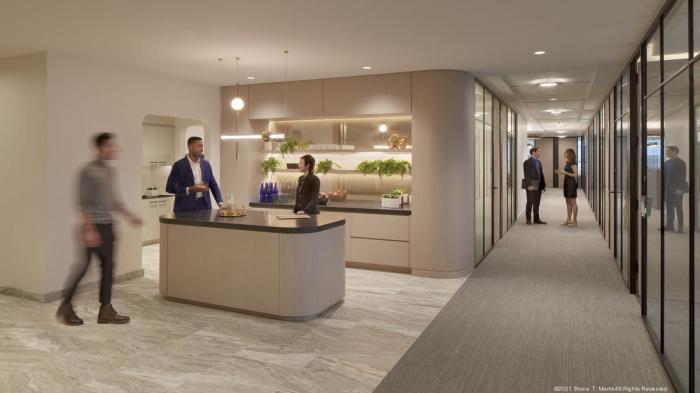
With Office space trends post-remote work taking center stage, this topic delves into how the workplace is transforming in response to a new era of flexibility and collaboration. The shift towards remote work has reshaped our understanding of office environments, leading to innovative designs and practices that cater to the evolving demands of businesses and employees alike.
Topics such as emerging office layouts, the significant role of technology in space management, and the push for sustainable practices are all influencing the direction of office spaces today. As companies begin to rethink their approach to office design, it’s crucial to explore the key changes that are shaping the future of work.
Emerging Office Space Trends
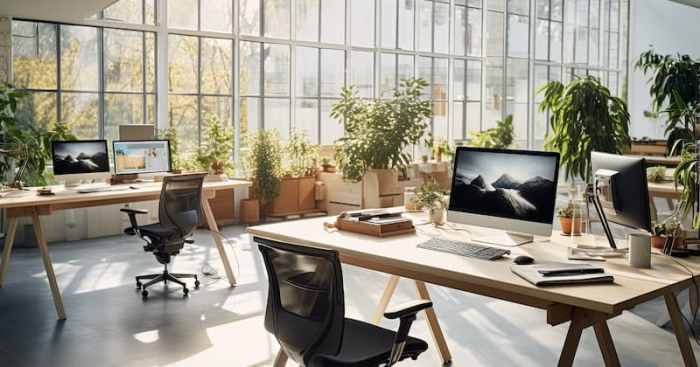
The landscape of office spaces has transformed significantly following the widespread shift to remote work. Organizations are reevaluating their design strategies to foster collaboration, flexibility, and productivity in a new hybrid work environment. This evolution is not only about aesthetic changes but also about creating functional spaces that cater to a diverse range of work styles and needs.One of the most notable changes in office space design is the emphasis on open and flexible layouts that encourage teamwork and interaction among employees.
Traditional cubicles are being replaced by collaborative workspaces that feature modular furniture and movable partitions, allowing for a dynamic use of space. Companies are increasingly investing in areas that promote spontaneous conversations and brainstorming sessions. This shift also includes the integration of wellness spaces, such as breakout areas with natural light and greenery, which contribute to employee well-being and creativity.
Popular Office Layouts and Configurations
The current office configurations prioritize collaboration while accommodating individual work needs. Here are some of the most popular layouts that have emerged:
- Activity-Based Workspaces: These spaces allow employees to choose from various work settings depending on the task at hand, ranging from quiet zones for focused work to collaborative areas for team projects.
- Open Plan Offices: While previously criticized for noise and distractions, these layouts are now designed with designated zones to minimize disruptions and enhance team dynamics.
- Co-Working Spaces: Many companies are adopting co-working styles that encourage inter-company collaboration, featuring shared amenities and communal areas that promote networking.
- Hybrid Spaces: These layouts cater to the dual needs of remote and in-office workers, incorporating technology to ensure seamless communication and project management regardless of physical location.
The significance of these configurations lies in their ability to adapt to changing work methodologies, fostering an environment that enhances productivity and collaboration among teams.
Impact of Technology on Office Space Utilization and Management
Technology has become a cornerstone of modern office design, significantly influencing how spaces are utilized and managed. Smart office solutions, such as IoT devices and AI-driven management systems, are enhancing operational efficiency.
“Technology not only facilitates remote work but also optimizes in-office environments for better user experience and resource management.”
The integration of advanced technologies allows for better space utilization through data analytics, helping organizations understand which areas are most frequently used and which are not. This data-driven approach enables businesses to make informed decisions regarding space allocation, potentially reducing costs associated with unused real estate.Additionally, features such as virtual meeting rooms equipped with high-definition screens and collaborative software have redefined how teams communicate, ensuring that remote employees feel as engaged and connected as those physically present in the office.
The rise of mobile apps for desk booking and resource management further exemplifies how technology is reshaping the office landscape, facilitating a smoother transition to hybrid work models and allowing employees to customize their work experience.
The Role of Real Estate Agents in Post-Pandemic Office Leasing
As businesses navigate the new landscape of post-remote work, the role of real estate agents has evolved significantly. With the shift towards hybrid and flexible work arrangements, agents must adapt to meet the changing demands of their clients. This adaptation includes understanding the nuances of modern office space needs, which now prioritize flexibility, collaboration, and health-oriented amenities.Real estate agents are now tasked with more than just facilitating leasing deals; they are essential partners in helping businesses create workspaces that align with their new operational models.
They must stay informed about current trends, such as the increasing preference for smaller, flexible spaces and the growing importance of location in relation to employee accessibility. Additionally, agents have a responsibility to provide insights into market conditions and help businesses navigate the complexities of lease negotiations in a fluctuating market.
Strategies for Attracting Businesses Seeking Flexible Office Solutions
To successfully attract businesses looking for flexible office solutions, realtors should implement targeted strategies that highlight the adaptability of their offerings. Here are key strategies that can be implemented:
1. Highlight Flexibility Options
Emphasize lease structures that allow for short-term commitments or easy scalability according to business needs. This may include co-working spaces or shared offices that cater to varying team sizes.
2. Showcase Health and Safety Features
Given the heightened concern over health, agents should promote properties equipped with enhanced ventilation, social distancing layouts, and touchless technologies, which can reassure potential tenants.
3. Utilize Virtual Tours and Digital Platforms
Offering virtual walkthroughs and utilizing digital tools can reach a wider audience. This allows businesses to explore potential office spaces remotely, making the decision process more efficient.
4. Build Networks with Local Businesses
Establishing connections with local businesses can provide agents with insights into emerging needs and preferences, allowing them to better tailor offerings.
5. Focus on Location and Accessibility
Highlight the advantages of properties located in areas with good transportation links and amenities, making it easier for employees to commute.
“Success in post-pandemic leasing relies on real estate agents understanding the shifting priorities of businesses and adapting their strategies accordingly.”
Commercial property values have also been significantly influenced by these trends. The increased demand for flexible spaces and the corresponding shift towards hybrid work models have resulted in a reevaluation of property values across various markets. In many urban areas, properties that offer adaptable layouts and modern amenities are experiencing price stability or even appreciation, while traditional office spaces may see a decline in value.Understanding these dynamics enables agents to better advise their clients on potential investments and leasing strategies.
As the market continues to evolve, staying ahead of trends will be crucial for agents aiming to provide the best possible service and outcomes for their clients.
Sustainable Office Space Development
As businesses continue to adapt to a post-pandemic world, the focus on sustainable office space development has never been more crucial. Green real estate practices not only enhance the environmental quality but also promote employee well-being and operational efficiency. With sustainability taking center stage, new commercial constructions are increasingly prioritizing eco-friendly features that align with both corporate responsibility and tenant expectations.The integration of sustainable practices in commercial real estate is vital for reducing carbon footprints and fostering a healthier work environment.
Buildings designed with sustainability in mind often see reduced utility costs, increased employee productivity, and a stronger appeal to environmentally conscious tenants. As developers and businesses recognize these benefits, the shift towards green real estate practices becomes imperative in modern office constructions.
Eco-Friendly Features in Modern Office Buildings
The trend towards eco-friendly office spaces is marked by the adoption of various features that enhance sustainability. Understanding these characteristics can provide insight into the future of office developments. Below is a list of common eco-friendly features that are becoming standard in modern office buildings:
- Energy-Efficient HVAC Systems: Advanced heating, ventilation, and air conditioning systems that minimize energy consumption while maintaining optimal indoor climate.
- LED Lighting: Utilization of energy-efficient LED lighting that reduces electricity use and lowers maintenance costs.
- Green Roofs: Implementation of roof gardens that improve insulation, reduce stormwater runoff, and promote biodiversity.
- Rainwater Harvesting: Systems designed to collect and reuse rainwater for irrigation and toilet flushing, minimizing water waste.
- Smart Building Technology: Integration of IoT devices to monitor and optimize energy use, enhancing operational efficiency.
- Sustainable Materials: Use of recycled, reclaimed, or sustainably sourced materials in construction and interior design, reducing environmental impact.
- Natural Light Utilization: Design strategies that maximize natural light, reducing dependency on artificial lighting and improving employee health.
The successful integration of these eco-friendly features can be seen in numerous office projects around the globe. One notable example is the Bullitt Center in Seattle, known as one of the greenest commercial buildings in the world. This facility incorporates a rainwater collection system, solar panels, and a composting toilet system, demonstrating that sustainability can go hand in hand with functionality.
Another compelling instance is the Edge in Amsterdam, which utilizes smart technology to enhance energy efficiency and employee comfort, proving that modern office designs can prioritize both sustainability and user experience.
Ultimate Conclusion
In conclusion, as we navigate the landscape of Office space trends post-remote work, it’s evident that adaptability and sustainability are at the forefront of this evolution. The blend of modern design, technological integration, and eco-friendly practices is not just enhancing productivity but also fostering a healthier work environment. As these trends continue to emerge, they will undoubtedly redefine how we perceive and utilize office spaces in the years to come.
FAQ Compilation
What are the most popular office layouts currently?
Open layouts that encourage collaboration, flexible workspaces, and designated quiet areas are trending.
How has technology changed office space management?
Technology enables better space utilization analytics, remote monitoring, and smart building features that enhance efficiency.
What role do real estate agents play in post-remote work leasing?
Agents are adapting by focusing on flexible lease options and understanding the new space requirements of businesses.
Why is sustainability important in office design?
Sustainability reduces environmental impact and promotes employee well-being, leading to a more productive workplace.
Are eco-friendly features becoming standard in offices?
Yes, features like energy-efficient systems, green roofs, and sustainable materials are increasingly common in new construction.


