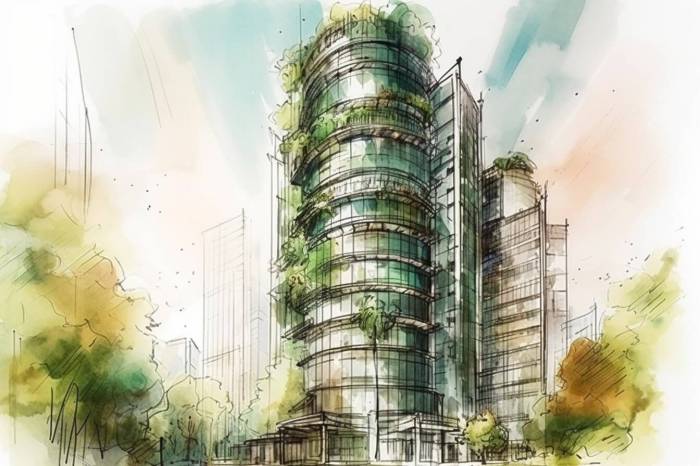
Green building standards for commercial projects are reshaping the landscape of construction by prioritizing sustainability and efficiency. As the world increasingly recognizes the importance of environmental responsibility, these standards provide a framework for architects, builders, and real estate professionals to create structures that not only meet regulatory requirements but also contribute positively to the planet. This shift towards greener practices is not just a trend; it’s a necessary evolution in how we think about the spaces we occupy and their impact on our environment.
By implementing recognized certification systems like LEED, BREEAM, and Green Globes, commercial projects can achieve enhanced energy efficiency, reduced waste, and improved indoor air quality. These standards serve as a guide for integrating sustainable features right from the planning and design phases, ultimately leading to properties that hold higher investment potential and value in the competitive real estate market.
Understanding Green Building Standards

Green building standards play a pivotal role in shaping the construction landscape, especially for commercial projects. These standards offer guidelines that ensure buildings are designed, constructed, and operated in an environmentally responsible manner. By adhering to these standards, businesses not only contribute to sustainability but also enhance their operational efficiency and market appeal. Recognized globally, green building certification systems serve as benchmarks for evaluating and promoting sustainable practices in commercial construction.
Among the most esteemed are the Leadership in Energy and Environmental Design (LEED), Building Research Establishment Environmental Assessment Method (BREEAM), and Green Globes. Each of these systems provides a framework that incorporates various criteria, ensuring that buildings minimize their ecological impact.
Recognized Green Building Certification Systems
The significance of green building certification systems lies in their ability to provide tangible recognition for sustainable practices. These systems utilize specific metrics to assess building performance in areas such as energy efficiency, water usage, and indoor environmental quality. Below are the leading green building certification systems:
- LEED: Developed by the U.S. Green Building Council, LEED is one of the most widely recognized and respected green building certification programs in the world. It rates buildings based on their performance in areas including energy efficiency, water usage, and material selection.
- BREEAM: Originating in the UK, BREEAM is known for its rigorous standards and comprehensive approach. It evaluates the sustainability of a building through an array of categories, from energy and transport to land use and ecology.
- Green Globes: This certification system offers a more flexible and user-friendly approach to green building. It allows for a customized assessment based on project needs, making it easier for various types of commercial buildings to achieve certification.
Environmental Benefits of Green Building Practices
Implementing green building practices not only supports ecological health but also enhances the quality of life for occupants. The environmental benefits associated with these practices include reductions in waste, energy consumption, and greenhouse gas emissions. A few notable benefits include:
- Significant decrease in energy usage through the utilization of energy-efficient systems and renewable energy sources, leading to lower utility costs.
- Improved indoor air quality by using non-toxic materials and enhancing ventilation, which contributes to a healthier environment for occupants.
- Conservation of water resources through efficient plumbing fixtures and rainwater harvesting systems, fostering sustainability.
“Green buildings can significantly reduce operational costs while providing a healthier environment for occupants and the community at large.”
Overall, the implementation of green building standards is an essential step towards sustainable development in commercial projects. Emphasizing environmental responsibility not only benefits the planet but also leads to economic advantages for businesses.
Integration of Green Standards in Commercial Real Estate
The integration of green standards into commercial real estate is an essential aspect of modern property development. By incorporating sustainable practices from the ground up, real estate professionals can both enhance the appeal of their properties and contribute positively to the environment. This content delves into how real estate agents can effectively promote green features in commercial properties and the significance of these practices on property values and investment potential.
Promotion of Green Features by Real Estate Agents
Real estate agents play a crucial role in highlighting the benefits of green building standards to prospective buyers and tenants. They can effectively market properties by focusing on the following aspects:
- Energy Efficiency: Emphasizing the energy-saving features such as high-performance HVAC systems and energy-efficient lighting can attract environmentally conscious clients.
- Water Conservation: Properties equipped with water-saving fixtures and irrigation systems can be showcased as sustainable options that reduce utility costs.
- Indoor Air Quality: Highlighting the use of non-toxic materials and advanced ventilation systems can appeal to businesses focused on employee health and productivity.
- Renewable Energy Sources: Properties featuring solar panels or wind turbines can be positioned as forward-thinking investments, appealing to businesses with a commitment to sustainability.
Methods for Integrating Green Building Standards in Planning and Design
Integrating green building standards during the planning and design phases is vital for ensuring a sustainable outcome. Effective methods include:
- Conducting Energy Audits: Analyzing energy consumption patterns can help identify areas for improvement and inform the design process.
- Utilizing Sustainable Materials: Selecting materials with low environmental impact contributes to the building’s overall sustainability and enhances its marketability.
- Incorporating Natural Landscaping: Designing green spaces that utilize native plants can improve biodiversity and reduce maintenance costs.
- Adopting Smart Technologies: Implementing smart building systems for lighting, heating, and cooling can optimize energy use and attract tech-savvy tenants.
Impact of Green Buildings on Property Value and Investment Potential
The transformation towards green buildings has substantial implications for property values and investment potential. Research indicates that green-certified buildings can command higher rents and lower vacancy rates.
“Green buildings can achieve price premiums of 6% to 11% compared to conventional buildings, according to various studies.”
Investors seeking long-term stability are increasingly drawn to properties with green certifications, as they often yield lower operational costs and increased tenant satisfaction. Moreover, as environmental regulations tighten, properties adhering to green standards will likely experience enhanced demand, ensuring their value continues to rise in the competitive real estate market. This shift is not just a trend; it’s a fundamental change in how properties are evaluated and marketed, leading to a more sustainable and profitable future for commercial real estate.
Challenges and Solutions in Green Commercial Construction
The transition to green building standards in commercial construction presents various challenges for builders and developers. Despite the long-term benefits of sustainability, such as reduced operational costs and increased property value, navigating the complexities of these standards can be daunting. Understanding the barriers and developing effective solutions is essential for successful integration of green practices in commercial real estate.One of the primary challenges is the initial cost associated with green materials and technologies.
While these investments can lead to savings over time, the upfront financial burden can deter developers. Additionally, there can be a lack of skilled labor familiar with sustainable practices, complicating the construction process. Regulatory compliance is another hurdle, as navigating varying standards and certifications can be overwhelming for many in the industry.
Common Challenges in Adopting Green Building Standards
Recognizing the specific challenges faced in green commercial construction can help in developing targeted solutions. Key challenges include:
- High upfront costs: Sustainable materials, systems, and technologies often come with a higher price tag.
- Lack of skilled workforce: Limited training programs for green building practices can result in a shortage of knowledgeable workers.
- Complex regulations: The multitude of local, state, and federal regulations regarding green building can be confusing and time-consuming to navigate.
- Market perception: Some developers may doubt the market demand for green buildings, fearing they may not attract tenants or buyers.
Solutions for Overcoming Barriers to Green Construction
Addressing these challenges through strategic solutions can facilitate the adoption of green standards in commercial projects. Key strategies include:
- Incentives and financing: Exploring government grants, tax credits, and low-interest loans can help offset initial costs.
- Education and training: Investing in training programs for the workforce can ensure that skilled labor is available for green practices.
- Streamlined regulations: Engaging with local authorities to simplify compliance procedures can reduce the burden of navigating green standards.
- Marketing green benefits: Highlighting the long-term cost savings and environmental impact of green buildings can appeal to eco-conscious buyers and tenants.
The Role of Home Staging and Marketing in Green Commercial Properties
Effective marketing strategies are crucial for showcasing the advantages of green commercial properties. Home staging can play a significant role in this process, allowing potential buyers or tenants to visualize the benefits of a sustainable space. By emphasizing features such as energy-efficient appliances, sustainable materials, and innovative design, builders can create an appealing narrative around green properties.Incorporating storytelling in marketing efforts helps convey the environmental and economic benefits of green buildings.
This can be achieved through high-quality visual presentations, detailed descriptions of sustainable features, and statistics that highlight energy savings and reduced carbon footprints. Additionally, leveraging digital platforms and social media can enhance visibility among target audiences, creating a broader recognition of the value of green commercial real estate.By addressing challenges head-on and employing strategic solutions, builders and developers can pave the way for a more sustainable future in commercial construction.
Closing Summary
In conclusion, embracing green building standards for commercial projects is not just beneficial for the environment; it also brings tangible advantages in terms of property value and marketability. As the demand for sustainable solutions continues to rise, those who adapt to these practices will find themselves at the forefront of the industry, setting trends and paving the way for a greener future.
The ongoing dialogue around these standards highlights their significance, encouraging more stakeholders to participate in this vital movement.
FAQ Summary
What are the main benefits of green building standards?
Green building standards enhance energy efficiency, reduce environmental impact, and improve occupant health and comfort.
How do green buildings affect property value?
Green buildings generally command higher property values and attract more tenants due to lower operating costs and increased demand for sustainable spaces.
What is the role of real estate agents in promoting green buildings?
Real estate agents can highlight energy-efficient features and sustainability benefits to attract environmentally-conscious buyers and tenants.
What challenges do builders face in green construction?
Common challenges include higher upfront costs, lack of awareness, and regulatory hurdles, but these can often be mitigated with proper planning and education.
Can any commercial project be certified as green?
While most commercial projects can pursue green certification, they must meet specific criteria set forth by the certification system chosen.


