
Lead generation for real estate agents is crucial in today’s competitive market, where the right strategies can significantly boost your client base and sales. Understanding how to effectively attract potential buyers and sellers can set you apart from others in the industry.
From leveraging social media platforms to optimizing your website for lead capture, the methods you adopt play a vital role in how successfully you can connect with your audience. By focusing on niche marketing and building strong client relationships, you can create a reliable pipeline of leads that fosters sustainable growth.
Lead Generation Strategies for Real Estate Agents
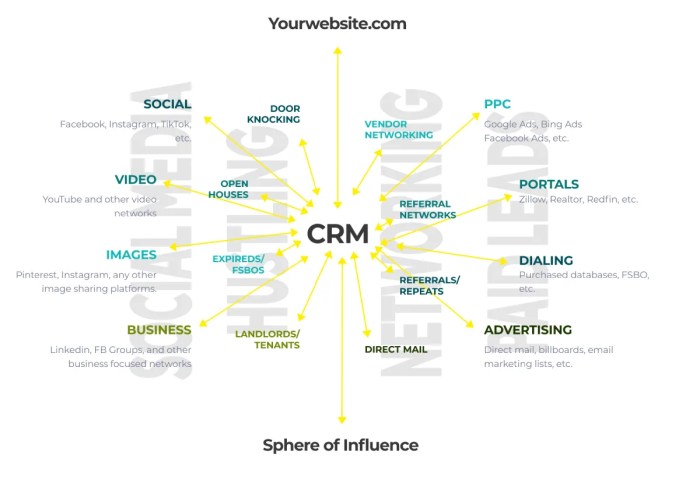
In today’s competitive real estate market, effective lead generation is essential for success. Real estate agents must adopt innovative strategies to attract potential clients and grow their business. Online lead generation techniques have become indispensable, enabling agents to reach a broader audience and capture valuable leads efficiently.
Effective Online Lead Generation Techniques
Utilizing digital platforms is crucial for real estate agents aiming to generate leads. These techniques not only improve visibility but also enhance engagement with potential clients. The effectiveness of these methods can vary, but several proven strategies are particularly impactful:
- Search Engine Optimization (): Optimizing your website for search engines helps you rank higher in search results, making it easier for potential clients to find you. This involves using relevant s, creating high-quality content, and ensuring a user-friendly website structure.
- Email Marketing: A targeted email marketing campaign can nurture leads over time. By providing valuable information, such as market updates or tips for buyers and sellers, agents can establish trust and keep their services top-of-mind for potential clients.
- Pay-Per-Click Advertising (PPC): Running targeted ads on platforms like Google or social media can drive traffic to your website. This method is particularly effective for reaching specific demographics or geographic areas.
Importance of Social Media Marketing
Social media marketing plays a pivotal role in attracting potential clients and building relationships in the real estate industry. With the vast number of users on platforms like Facebook, Instagram, and LinkedIn, agents have unparalleled opportunities to connect with their audience.
- Brand Awareness: Regularly posting engaging content helps establish your brand and keeps your services visible to your audience. This includes sharing listings, market insights, and personal stories that resonate with followers.
- Community Engagement: Interacting with local communities through social media fosters a sense of trust and connection. Engaging posts, such as local events or community highlights, can showcase your expertise and commitment to the area.
- Lead Generation Tools: Platforms like Facebook and Instagram offer targeted advertising options that allow you to reach specific demographics, making it easier to attract qualified leads based on their interests and behaviors.
Utilizing Real Estate Websites and Landing Pages
Real estate websites and landing pages are critical tools for capturing leads. A well-designed website not only showcases listings but also functions as a hub for information and resources that attract potential buyers and sellers.
- Lead Capture Forms: Implementing lead capture forms on your website enables you to collect essential information from visitors. These forms should be strategically placed on high-traffic pages to maximize exposure.
- Valuable Content: Providing free resources, such as eBooks, market reports, or home buying/selling guides, encourages visitors to exchange their contact information for valuable content, thus generating leads.
- Mobile Optimization: With an increasing number of users accessing websites via smartphones, ensuring your website is mobile-friendly is crucial. A seamless mobile experience can significantly enhance lead generation efforts.
Niche Marketing in Real Estate
In the competitive landscape of real estate, identifying and leveraging niche markets can be a game-changer for agents. By honing in on specific property types and target demographics, agents can create tailored marketing strategies that resonate deeply with potential clients. This approach not only enhances visibility but also positions agents as experts in their chosen niches.Understanding the nuances between different property types is crucial for effective marketing.
For instance, condominiums cater to a different clientele compared to commercial properties. Each type comes with unique selling points that can be highlighted to attract the right buyers or investors.
Unique Selling Points for Different Property Types
Highlighting the unique attributes of various property types can significantly impact buyer interest and engagement. Below are distinctive selling points for condominiums and commercial properties:
- Condos: Condominiums often present a low-maintenance lifestyle, appealing to busy professionals and retirees. Their location in urban areas offers convenience to amenities like restaurants, shops, and public transportation.
- Commercial Properties: These properties can provide a lucrative investment opportunity with long-term tenants. Highlight factors such as location, zoning regulations, and potential for rental income to attract investors looking for stability.
Targeting specific demographics requires an understanding of their needs and preferences. First-time home buyers typically require more guidance and education, while seasoned investors are focused on return on investment and property value appreciation.
Targeting First-Time Home Buyers and Seasoned Investors
Creating tailored marketing campaigns for these distinct groups can lead to greater success in lead generation. Consider the following strategies:
- First-Time Home Buyers: Utilize educational content, workshops, and webinars to demystify the buying process. Highlight affordable properties and government assistance programs available to first-timers.
- Seasoned Investors: Provide in-depth market analysis, ROI calculations, and investment opportunities. Utilize data-driven insights to showcase potential property appreciation and rental yields.
Sustainability is becoming an essential factor for a growing number of home buyers, particularly among environmentally conscious clients.
Promoting Green Real Estate Options
With increasing awareness of environmental issues, promoting green real estate can attract a dedicated market segment. Emphasizing energy-efficient features and sustainable materials not only appeals to eco-friendly buyers but can also lead to cost savings for homeowners over time.
- Energy Efficiency: Highlight properties with Energy Star ratings, solar panels, and energy-efficient appliances. These features can significantly reduce utility costs and appeal to buyers interested in sustainability.
- Sustainable Materials: Focus on properties constructed with sustainable materials such as recycled steel or bamboo flooring. Educating clients about the benefits of these materials can enhance the property’s appeal.
- Location Benefits: Promote properties in walkable neighborhoods or those connected to public transportation. This not only supports green living but also improves quality of life for residents.
By understanding the unique selling points of different property types, tailoring marketing strategies for various buyer demographics, and promoting green options, real estate agents can effectively carve out a niche that not only attracts clients but also builds long-term relationships.
Building Client Relationships
Establishing and nurturing client relationships is a cornerstone of success for real estate agents. By fostering strong connections with clients, agents can not only enhance customer satisfaction but also increase the likelihood of referrals and repeat business. This segment addresses the crucial elements of maintaining these relationships, emphasizing follow-up communication, effective home staging, and the power of networking and referrals.
Significance of Follow-Up Communication
Follow-up communication serves as a vital link between real estate agents and their clients. It demonstrates care and commitment, reinforcing the relationship beyond the initial transaction. Regular check-ins can enhance trust and foster loyalty, making clients feel valued. Effective follow-up can take various forms, including phone calls, emails, or personalized notes. Here are some key benefits of maintaining consistent follow-up communication:
- Builds Trust: Regular contact helps clients feel secure in their choice of agent, knowing that they are not just a number.
- Encourages Referrals: Satisfied clients are more likely to refer friends and family when they feel their needs are being acknowledged.
- Identifies Future Opportunities: Ongoing communication can reveal clients’ changing needs, leading to new business opportunities.
- Enhances Client Experience: A proactive approach in follow-ups can significantly improve the overall client experience, leading to positive reviews and testimonials.
Guide for Staging Homes Effectively
Staging a home plays a crucial role in attracting potential buyers and generating leads. A well-staged home allows buyers to envision themselves living in the space, which can drive quicker sales and higher offers. Here are essential tips for effective home staging:
- Declutter: Remove personal items and unnecessary furniture to create a clean canvas for buyers.
- Neutral Colors: Use neutral colors on walls and furnishings to appeal to a broader audience.
- Lighting: Maximize natural light and use warm lighting to create an inviting atmosphere.
- Strategic Furniture Placement: Arrange furniture to highlight the home’s flow and functionality.
- Curb Appeal: Invest in landscaping and exterior updates to make a strong first impression.
Role of Networking and Referrals
Networking and referrals are integral to building a robust lead generation system in real estate. Establishing a solid network not only increases exposure but also opens doors to numerous opportunities. The following points highlight the significance of these elements:
- Expands Reach: Networking allows agents to meet other professionals and potential clients, broadening their market reach.
- Trust Building: Referrals from satisfied clients or colleagues carry significant weight, as they are often perceived as endorsements.
- Community Engagement: Participating in local events and groups fosters relationships within the community, further enhancing credibility.
- Reciprocity: By giving referrals to others, agents can encourage a cycle of reciprocal business opportunities.
Last Recap
In conclusion, mastering lead generation for real estate agents is all about employing the right techniques, understanding your target audience, and maintaining strong relationships. By implementing effective strategies and continually adapting to market trends, you can ensure a steady flow of potential clients and ultimately achieve greater success in your real estate career.
User Queries
What are the best online lead generation techniques?
Effective techniques include utilizing , running targeted ads, and creating engaging content on your website and social media.
How important is social media for real estate agents?
Social media is essential as it helps in building brand awareness, engaging with potential clients, and showcasing listings to a wider audience.
What is niche marketing in real estate?
Niche marketing focuses on targeting specific segments of the market, such as first-time homebuyers or eco-friendly properties, to tailor your marketing efforts.
How can I maintain client relationships effectively?
Regular follow-ups, personalized communication, and providing valuable information can help in nurturing and maintaining strong client relationships.
What role do referrals play in lead generation?
Referrals are a powerful source of leads as they come with built-in trust, making it easier to convert them into clients.


