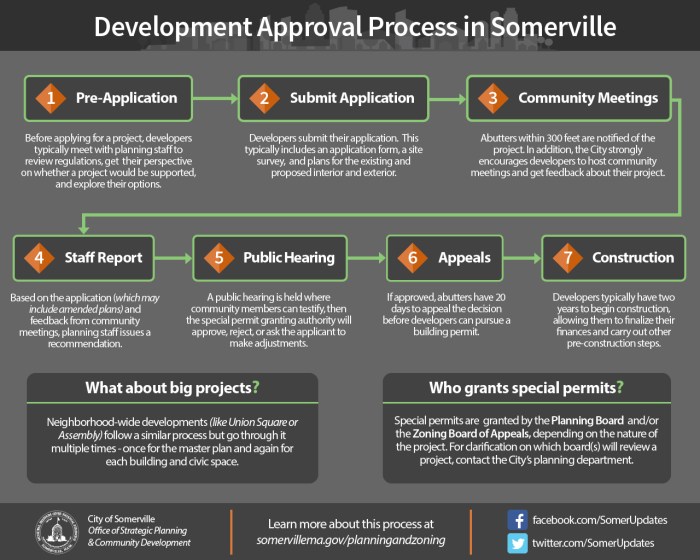
The Real estate development process is a multifaceted journey that involves various stages, key players, and critical assessments that shape the landscape of property development. From conceptualization to completion, this process requires a thorough understanding of market dynamics, regulations, and financing options that ultimately determine the success of a project.
Throughout this exploration, we will delve into the essential components of site selection, zoning laws, and the comparative aspects of residential versus commercial developments, highlighting the distinct challenges and strategies that developers encounter in today’s evolving market.
Real Estate Development Process Overview

The real estate development process is a multifaceted journey that transforms concepts into physical properties. It encompasses various stages, each crucial for ensuring a successful outcome. Understanding this process not only clarifies the roles of different stakeholders but also emphasizes the significance of thorough market research and feasibility studies in shaping profitable developments.The real estate development process typically unfolds in several key stages, including site selection, planning, financing, construction, and leasing/selling.
Each stage involves collaboration among various key players, including developers, architects, engineers, contractors, and investors. Their contributions are vital in addressing the complexities of real estate projects and ensuring that each component aligns with market demands and regulatory requirements.
Stages Involved in the Real Estate Development Process
The real estate development process consists of distinct phases that guide the transformation of an idea into a tangible property. Each of these phases holds specific tasks and objectives that contribute to the overall success of the project. The stages are Artikeld as follows:
- Site Selection: The initial stage involves identifying a suitable location for the development. Factors include zoning regulations, accessibility, and market demand.
- Planning: This phase includes obtaining necessary permits and conducting design work. Collaboration with architects and city planners is essential for compliance with local regulations.
- Financing: Securing funding is critical for the project’s viability. This stage involves exploring options such as loans, investments, or partnerships.
- Construction: Actual building takes place during this phase, where contractors execute the plans and ensure adherence to timelines and budgets.
- Leasing/Selling: The final stage focuses on marketing the property to potential tenants or buyers, finalizing leases, or completing sales transactions.
Key Players and Their Roles in Real Estate Development
The real estate development process involves a range of professionals, each with specific responsibilities that contribute to the success of a project. Their roles are interconnected and require effective communication and collaboration. The primary key players include:
- Developers: They initiate and manage the project, coordinating all stages from conception to completion.
- Architects: Responsible for designing the property, ensuring it meets both aesthetic and functional requirements.
- Engineers: They provide technical expertise, focusing on structural integrity, utilities, and compliance with safety standards.
- Contractors: Tasked with executing the construction plans, they manage labor, materials, and schedules.
- Investors: They provide the necessary capital, often evaluating the project’s potential return on investment.
Importance of Market Research and Feasibility Studies
Market research and feasibility studies are pivotal elements in the real estate development process. They provide invaluable insights that inform decision-making, helping to mitigate risks and maximize returns. Understanding the market landscape allows developers to pinpoint opportunities and align projects with current demand.Market research typically involves analyzing demographic trends, economic indicators, and competitor performance. This data helps in identifying the target audience and understanding their preferences.
Feasibility studies, on the other hand, assess the practicality of a proposed project, taking into account factors such as cost estimates, financing options, and projected returns. These studies often include a thorough analysis of risks and potential challenges that could impact the development.
Comprehensive market research and feasibility studies are essential for making informed decisions and ensuring the project’s success.
Key Components of Real Estate Development
The real estate development process is multifaceted, involving a series of critical steps that ensure a project’s success. Understanding the key components of real estate development is essential for developers, investors, and stakeholders alike. This section delves into three vital areas: site selection and acquisition, permitting and zoning regulations, and financing options.
Site Selection and Acquisition
Site selection is foundational to any real estate development project, as the right location can significantly influence the project’s viability and profitability. The process involves several strategic steps:
1. Market Research
Developers start by analyzing market trends, demographics, and economic indicators to identify high-potential areas.
2. Site Analysis
This includes assessing the physical characteristics of the land, such as topography, access to infrastructure, and existing utilities.
3. Due Diligence
Potential developers must conduct thorough investigations, including environmental assessments and title searches, to uncover any legal or environmental issues.
4. Negotiation
Once a suitable site is identified, developers negotiate terms with the current owner, which may include purchase agreements, options, or leases.
5. Acquisition
Finalizing the acquisition involves completing all necessary paperwork and securing financing to purchase the property.
“Location is everything in real estate; the right site can make or break a project.”
Permitting and Zoning Regulations
Permitting and zoning play a crucial role in defining what can be built on a piece of land. Understanding the local regulations is essential to avoid costly delays or project modifications. Here are the key aspects:
Zoning Laws
These regulations dictate land use, including residential, commercial, or industrial purposes. Developers must ensure their project aligns with the zoning classifications.
Building Codes
Local building codes establish standards for construction, safety, and design. Compliance is mandatory for obtaining necessary permits.
Environmental Regulations
Projects may require environmental studies, especially if they affect protected areas or wildlife habitats. This ensures sustainable development practices.
Permitting Process
The permitting process can be lengthy and involves multiple governmental agencies. Developers must submit plans and applications for approval.Understanding these regulations is pivotal for maintaining compliance and promoting future success.
Financing Options for Real Estate Projects
Securing financing is a critical step that can determine the scale and scope of a development project. There are various financing options available, each with its own pros and cons:
1. Traditional Bank Loans
Conventional mortgages are commonly used but typically require substantial documentation and collateral.
2. Private Equity
Developers can seek funds from private equity firms or individual investors looking for higher returns.
3. Crowdfunding
This modern financing method allows developers to raise small amounts of money from a large number of people through online platforms.
4. Hard Money Loans
These short-term loans are backed by real estate and are often used for quick financing but usually come with higher interest rates.
5. Government Grants and Loans
Some government programs offer funding or incentives for specific types of development, especially in underserved areas.Understanding these financing options enables developers to choose the best strategy tailored to their project’s needs.
Specialized Areas within Real Estate Development
The realm of real estate development is diverse, encompassing various specialized areas that cater to different market needs and challenges. Understanding these areas is crucial for developers, investors, and stakeholders looking to navigate the complexities of real estate projects. Each specialization offers unique processes, challenges, and strategies that influence the development trajectory.
Comparison of Residential and Commercial Real Estate Development Processes
The processes involved in residential and commercial real estate development differ significantly, reflecting the distinct characteristics of each sector. Residential development focuses on creating living spaces, such as single-family homes, townhouses, and apartment complexes, while commercial development involves projects like office buildings, retail spaces, and industrial facilities.Key differences in their development processes include:
- Market Analysis: Residential developments typically rely on demographic trends and local housing demands, whereas commercial developments require a thorough understanding of business trends and economic factors.
- Financing: Funding for residential projects often involves traditional mortgages or government-backed loans, while commercial projects generally utilize more complex financing structures, including equity partnerships and commercial loans.
- Regulatory Approvals: Residential developments face zoning laws geared towards community needs, while commercial projects must navigate a more intricate regulatory environment focused on business operations.
- Design Considerations: Residential design prioritizes comfort and aesthetic appeal, while commercial development emphasizes functionality and efficiency for business purposes.
Understanding these distinctions helps developers to tailor their strategies and expectations based on the type of project they pursue.
Challenges in Green Real Estate Projects
Green real estate projects prioritize sustainability and environmental responsibility, presenting unique challenges that differ from traditional developments. These projects aim to minimize ecological impact while promoting energy efficiency and sustainable living. Some prominent challenges faced in green real estate include:
- Higher Initial Costs: Green buildings often require significant upfront investment in sustainable materials and technologies, which can deter some investors despite long-term savings.
- Regulatory Hurdles: Navigating the various green certification programs and local green building codes can be complex and time-consuming, necessitating specialized knowledge.
- Market Perception: There can be skepticism regarding the value of green features, making it essential for developers to educate buyers on the benefits of sustainable living.
- Longer Development Timelines: The additional planning and consultation needed for green projects can extend development timelines, impacting overall project costs and profitability.
Addressing these challenges requires strategic planning and a commitment to sustainability that resonates with market demands.
Impact of Staging a Home on the Sales Process in Real Estate
Staging a home effectively can greatly influence the sales process in real estate. This practice involves furnishing and decorating a property to enhance its appeal to potential buyers, creating an inviting atmosphere that highlights the home’s strengths.The benefits of home staging include:
- Increased Buyer Interest: A well-staged home tends to attract more buyers, as it allows them to envision living in the space.
- Higher Sale Prices: Research has shown that staged homes often sell for 6-25% more than similar unstaged properties, making staging a worthwhile investment.
- Faster Sales: Homes that are staged typically spend less time on the market, as they create a stronger emotional connection for potential buyers.
- Enhanced Online Presence: In today’s digital age, high-quality photos of staged homes stand out in listings, capturing interest and generating more showings.
By investing in staging, sellers can maximize their property’s potential and achieve a more favorable outcome in the competitive real estate market.
Final Summary
In summary, the Real estate development process is not just about building; it’s about strategic planning, understanding market needs, and navigating regulatory landscapes. By grasping these elements, stakeholders can effectively contribute to successful developments that meet community needs while also achieving economic viability.
Question & Answer Hub
What is the first step in the real estate development process?
The first step typically involves conducting market research to identify opportunities and assess demand.
Who are the key players in real estate development?
Key players include developers, investors, architects, contractors, and local government officials.
What role does market research play in development?
Market research helps identify trends, needs, and potential financial viability, guiding decision-making throughout the process.
How do zoning regulations affect real estate development?
Zoning regulations dictate land use, building heights, and density, impacting what can be developed on a property.
What financing options are available for developers?
Common financing options include bank loans, private equity, and public funding sources, each catering to different project needs.


